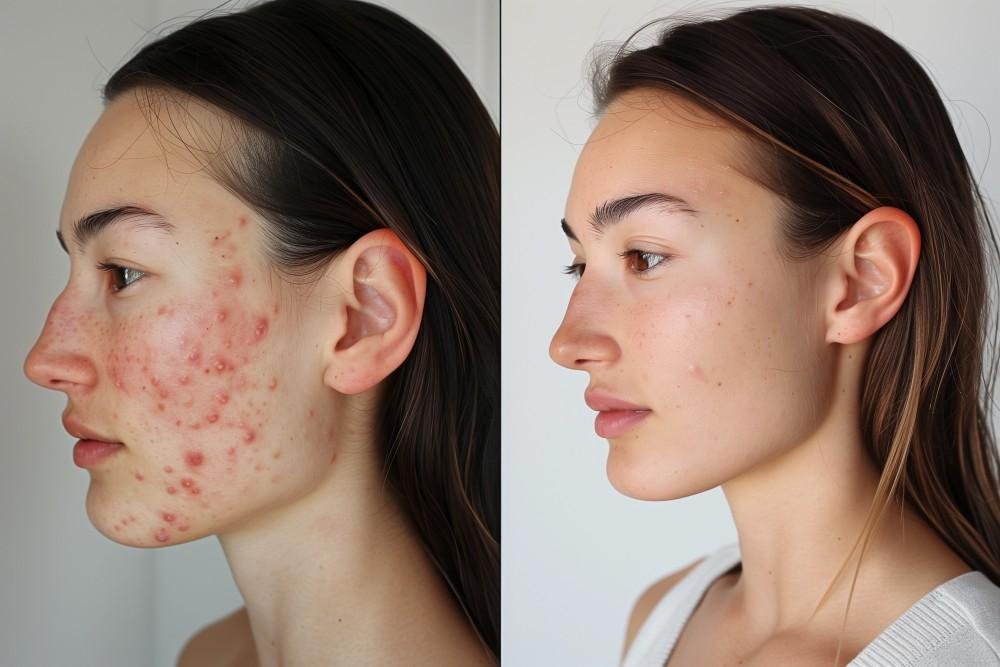
Hyperpigmentation doesn’t just change your skin tone.
It changes how confident you feel in natural light.
If you’re noticing dark spots, uneven skin tone, or stubborn pigmentation that won’t fade — you’re not alone. In Surrey, BC, hyperpigmentation is one of the most common skin concerns we see at medical aesthetic clinics.
The good news? It’s treatable — safely and effectively — when approached medically.
In this guide, we’ll explain:
- Why dark spots happen
- Why some treatments fail
- The safest medical treatments for hyperpigmentation
- What works best for Surrey’s diverse skin tones
What Causes Hyperpigmentation?
Hyperpigmentation occurs when excess melanin forms in certain areas of the skin. This can appear as:
- Sun spots
- Acne scars (post-inflammatory hyperpigmentation)
- Melasma
- Uneven patches on cheeks or forehead
- Darkening around the mouth or jawline
Common causes in Surrey residents include:
- Sun exposure (even during cloudy BC winters)
- Acne breakouts
- Hormonal changes
- Skin irritation
- Incorrect skincare products
For many clients, especially those with medium to deeper skin tones, pigmentation can linger for months — sometimes years — without proper treatment.
Why Over-the-Counter Products Often Don’t Work
Many patients come to us after trying:
- Brightening serums
- Drugstore exfoliants
- Trending social media treatments
The problem?
Most products do not penetrate deeply enough. Some may even worsen pigmentation if used incorrectly — especially on melanin-rich skin.
Treating hyperpigmentation requires:
- Controlled exfoliation
- Targeted skin renewal
- Medical-grade protocols
- A customized approach
There is no one-size-fits-all solution.
Best Medical Treatments for Hyperpigmentation in Surrey, BC
At a medical-led aesthetic clinic in Surrey, treatment plans are customized based on:
- Skin type
- Pigmentation depth
- Sensitivity level
- Hormonal factors
Here are the most effective options.
1. Chemical Peels for Dark Spots
Chemical peels are one of the most effective treatments for uneven skin tone and surface pigmentation.
A medical-grade peel works by:
- Removing damaged outer layers
- Stimulating new cell turnover
- Gradually fading dark patches
Chemical peels are especially effective for:
- Sun damage
- Mild melasma
- Post-acne pigmentation
- Dull, uneven complexion
At a medical clinic, peels are carefully selected based on your skin type — particularly important for South Asian and melanin-rich skin in Surrey.
2. Microneedling for Deeper Pigmentation & Acne Scars
Microneedling stimulates collagen production while encouraging skin regeneration.
It works best for:
- Acne scars
- Post-inflammatory pigmentation
- Uneven texture
- Combined pigment + scarring concerns
Because microneedling works beneath the surface, it can improve both tone and texture — something topical products cannot achieve.
When performed in a medical setting, the treatment is tailored to prevent post-inflammatory hyperpigmentation, which is crucial for darker skin tones.
3. HydraFacial for Mild Pigmentation & Maintenance
While HydraFacial is often associated with glow and hydration, it also helps manage early pigmentation by:
- Gently exfoliating
- Removing buildup
- Infusing brightening serums
- Improving overall tone clarity
For clients with mild unevenness or those maintaining results after peels or microneedling, HydraFacial is an excellent supportive treatment.
It’s also ideal for those wanting minimal downtime.
4. Medical Skin Consultation: The Missing Step
One of the biggest reasons pigmentation worsens is self-treatment.
Melasma, acne scars, and sun spots require different approaches. Treating them the same way can delay results — or cause further darkening.
A medical consultation evaluates:
- Type of pigmentation
- Hormonal triggers
- Skin barrier health
- Sensitivity level
From there, a structured treatment plan is developed.
This is the difference between a spa approach and a medical-led aesthetic strategy.
Is Hyperpigmentation Treatment Safe for Brown and Sensitive Skin?
This is one of the most common concerns in Surrey, BC.
The answer: Yes — when done correctly.
Improper treatments can trigger post-inflammatory hyperpigmentation, especially in:
- South Asian skin
- Middle Eastern skin
- Acne-prone skin
That’s why medical supervision matters.
At a properly trained clinic, treatments are adjusted in:
- Strength
- Depth
- Frequency
- Recovery timing
Safety always comes first.
How Many Sessions Are Needed?
Pigmentation does not disappear overnight.
Most clients require:
- A series of treatments
- Consistent skincare
- Sun protection
Visible improvement often begins within a few weeks, with progressive results over several months.
The key is consistency — not aggressive treatment.
Preventing Dark Spots from Returning
After treatment, maintenance is essential.
In Surrey’s climate, UV exposure still impacts pigmentation — even during cloudy seasons.
Prevention includes:
- Daily SPF
- Professional skincare
- Avoiding over-exfoliation
- Regular maintenance facials
Hyperpigmentation is manageable when treated proactively.
Choosing the Right Hyperpigmentation Clinic in Surrey, BC
When searching for hyperpigmentation treatment in Surrey, look for:
- Medical supervision
- Experience with diverse skin tones
- Customized treatment plans
- Clear aftercare guidance
Your skin deserves precision — not experimentation.
Ready to Treat Dark Spots Safely?
Hyperpigmentation can feel frustrating — but it’s not permanent.
With the right medical approach, dark spots fade.
Skin tone evens out.
Confidence returns.
If you’re looking for professional hyperpigmentation treatment in Surrey, BC, booking a consultation is the first step toward clarity — in both skin and strategy.